
Petal Organic · International project
Cultural gardens for the Kingdom of Tonga
In March 2014, Cindy McClimans travelled to Nukuʻalofa to design the public grounds the Tonga Tourism Authority shows visitors first: the waterfront, the flag park at the palace gates, and the tourist information center.
Client: Tonga Tourism Authority · Location: Nukuʻalofa, Tongatapu · Site visit: March 1–10, 2014 · Scope: Concept plans for three public sites
The visit
Ten days on the ground
The brief came through Paul Johansson of the Authority’s board: concept designs for three public sites, with ideas for the Malaʻe Kula royal tombs. The plan was cultural planting, using the plants that carry meaning in Tonga, in place of generic ornamentals.
March 3: Toured Tohomolo Nursery to see what plants were available, then walked every site: two hours at the visitors center, one at the flag park.
March 4: Researched objectives and drafted the design concept for the visitors center.
March 5: On site with nursery staff to identify existing plants, choose what to remove, and present the concept to the Authority for input.
March 6: Refined the designs and looked into local sources for building materials.
March 19–21: Final landscape plans issued for all three sites, with a shared construction standard for the Esi walls.
The plans · Site 1
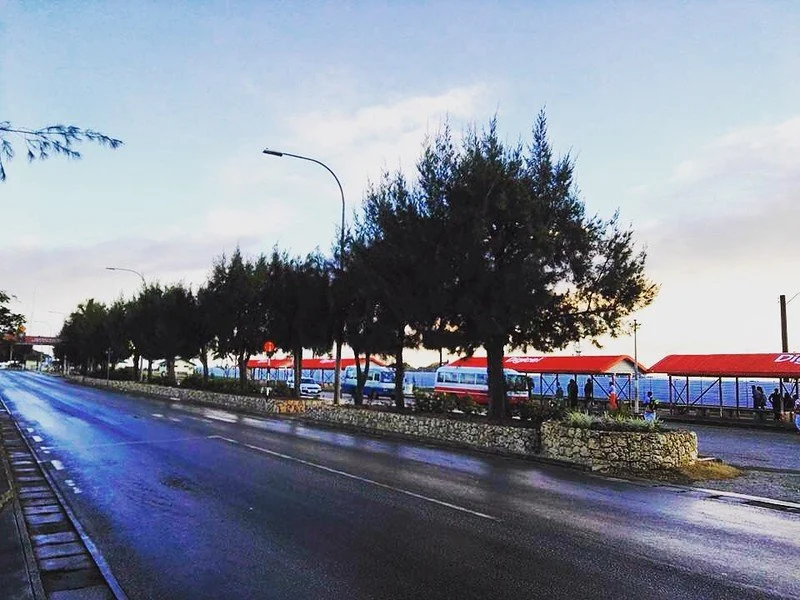
Waterfront gardens, Vuna Wharf to American Wharf
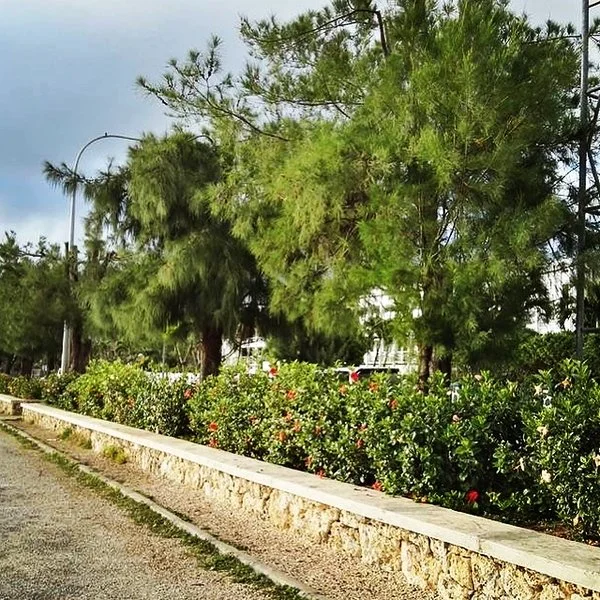
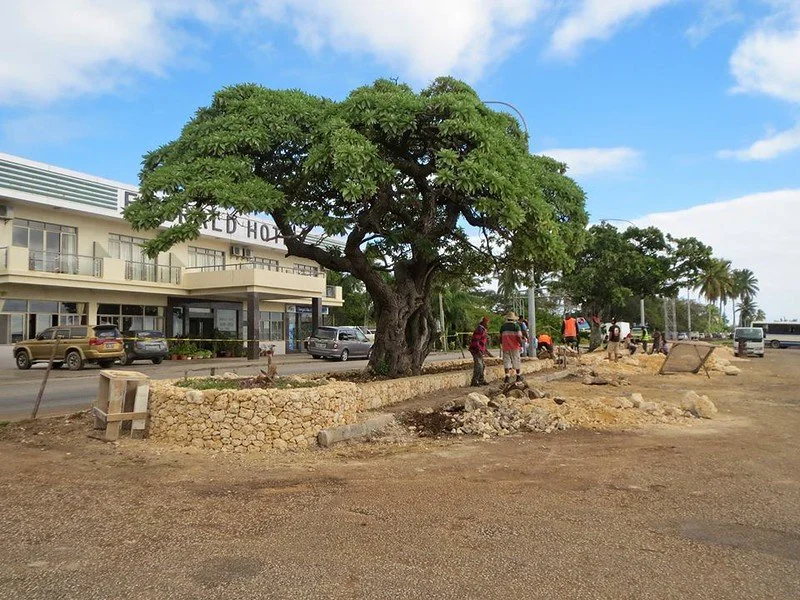
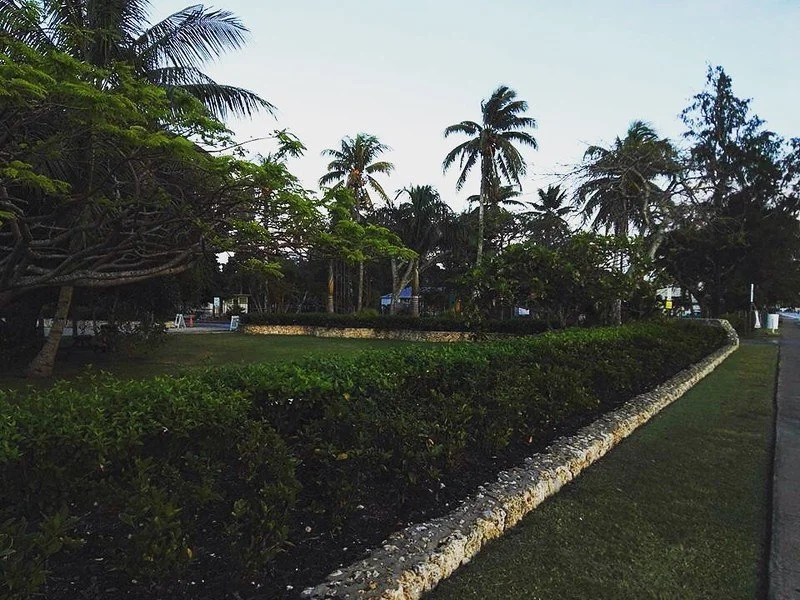
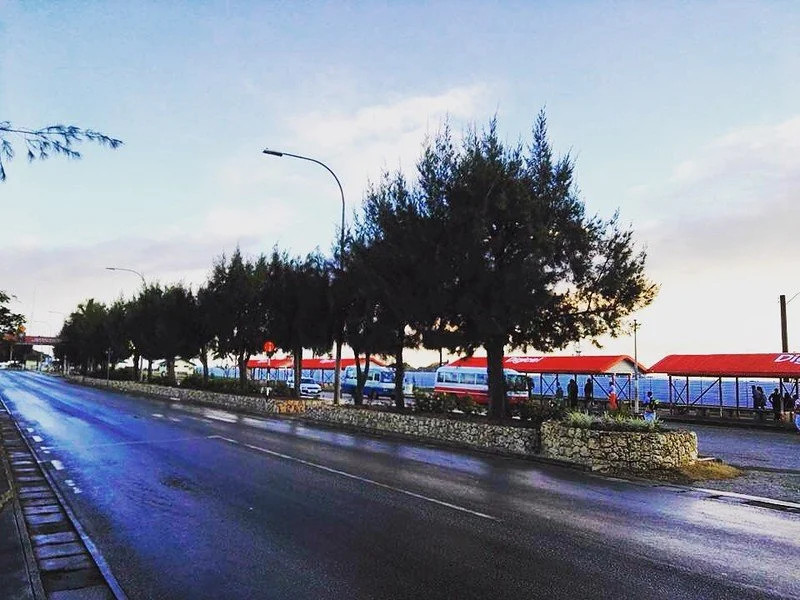
A run of raised Esi beds along the harbor road, tucked under the existing ironwood and coconut trees, which were kept and trimmed up.
Everything else cleared except healthy mature trees
Crushed-coral footpath 1 m wide around each bed
Plantings mixed freely within each Esi
Cultural plantings: Siale · Kaute · Tevunga
Site 2
Pangailahi Flag Park, at the palace gates
Two long Esi beds frame the approach to the palace grounds off Vuna Road. Each bed is anchored at its ends by heilala, Tonga’s national and sacred flower.
Maile trained on all chain-link fencing
Existing ironwood kept as the corner feature
The March 21 revision adds a rebuilt dolphin fountain set in traditional Tongan mosaic patterns
Cultural plantings: Heilala · Siale · Kaute · Tevunga · Maile
Site 3
Faʻonelua Garden, tourist information center
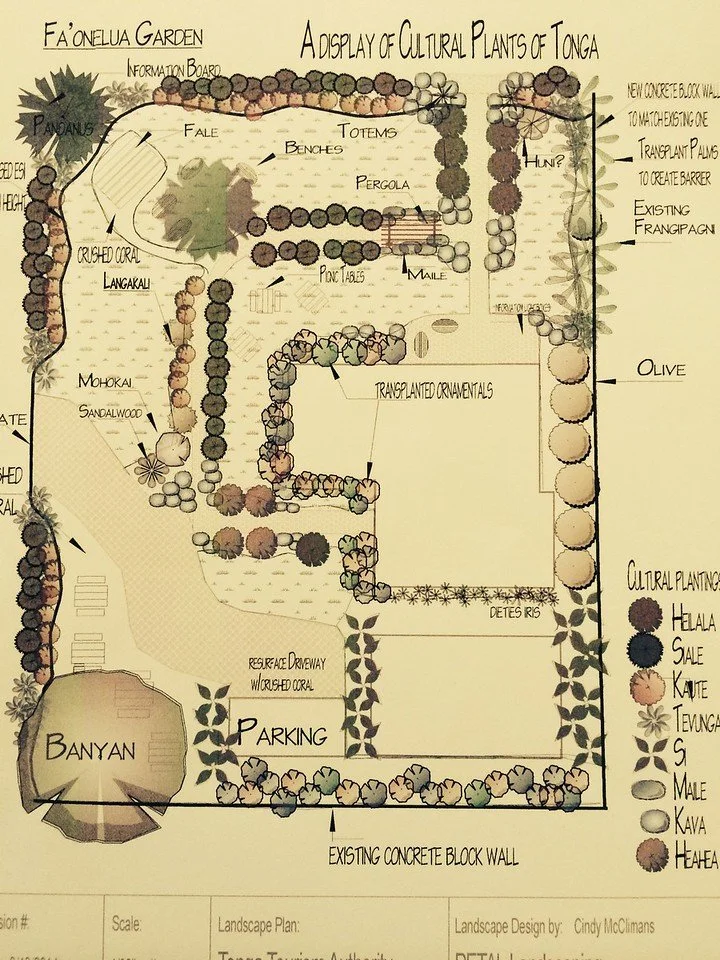
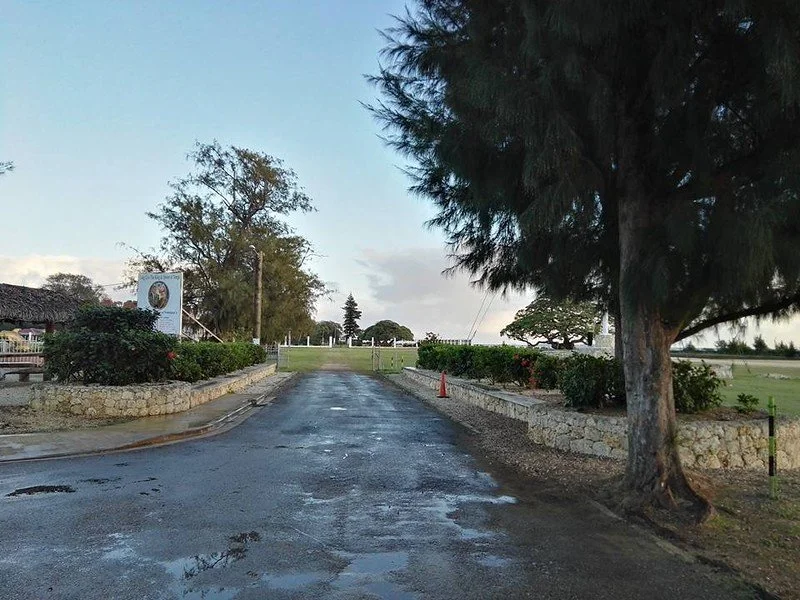
A walk-through display of Tonga’s cultural plants, built around a fale, carved totems and a pergola, with picnic tables under a great banyan.
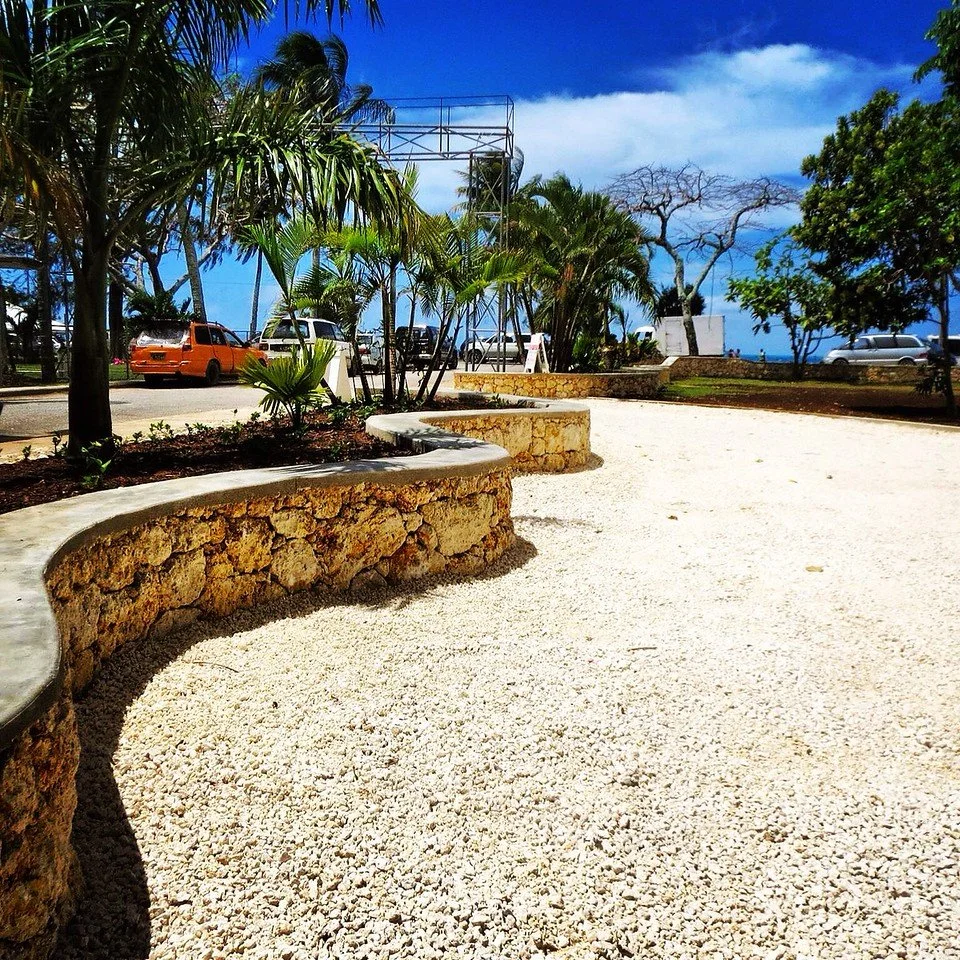
Curved, unbacked Esi beds lining a crushed-coral lane
Driveway resurfaced in crushed coral; new parking
Palms transplanted to form a barrier along a new block wall
Information board at the entry
Cultural plantings: Heilala · Siale · Kaute · Tevunga · Maile · Kava · Heahea
Construction detail
The Esi standard
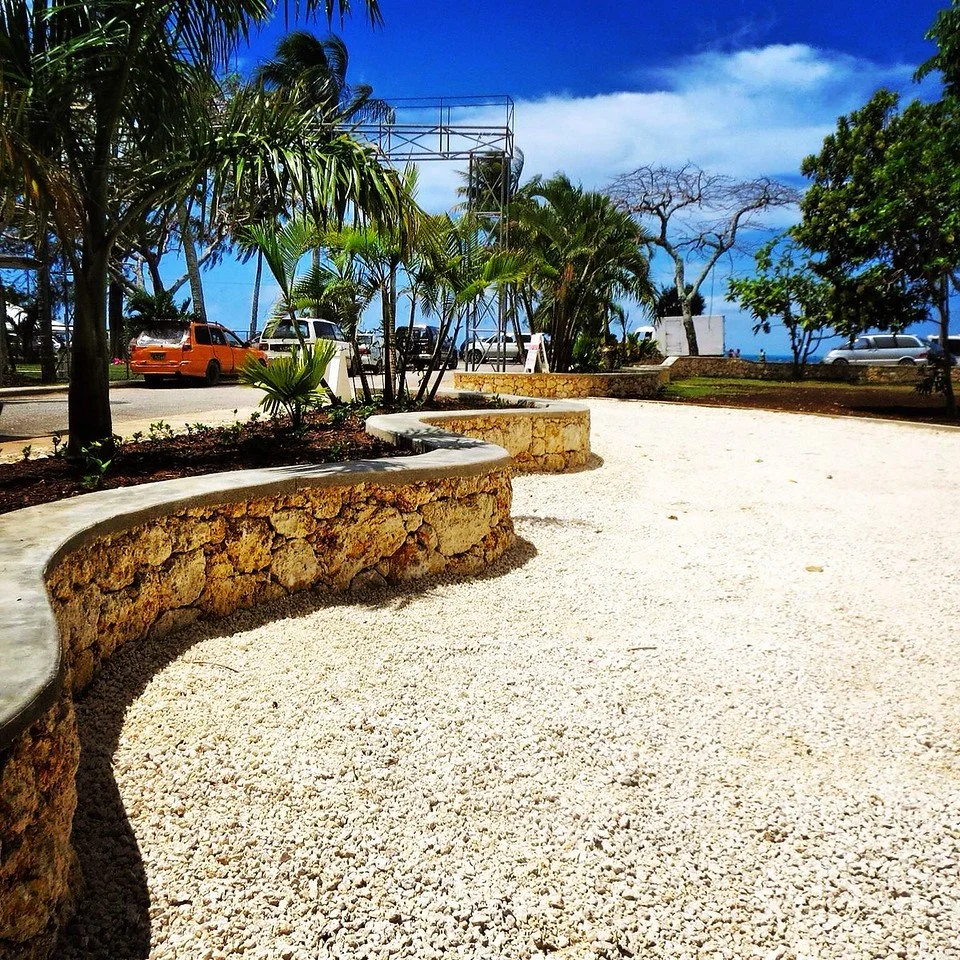
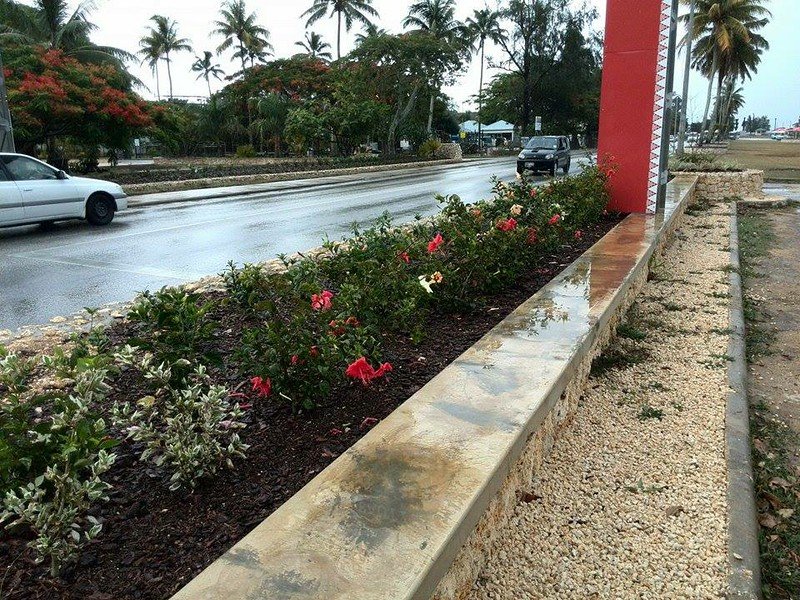
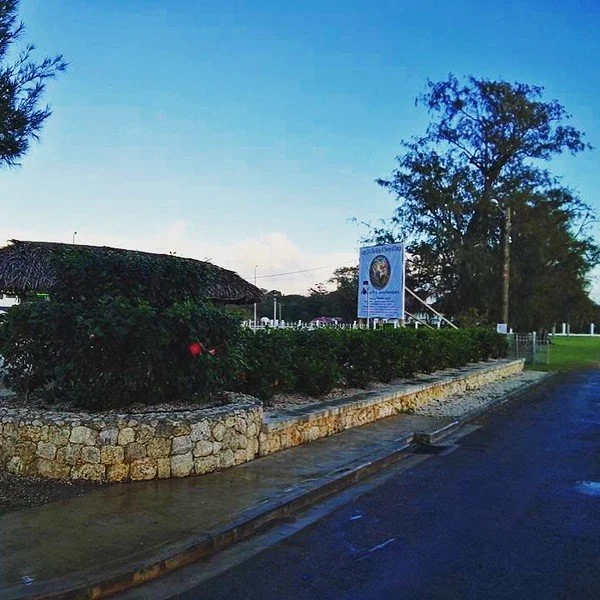
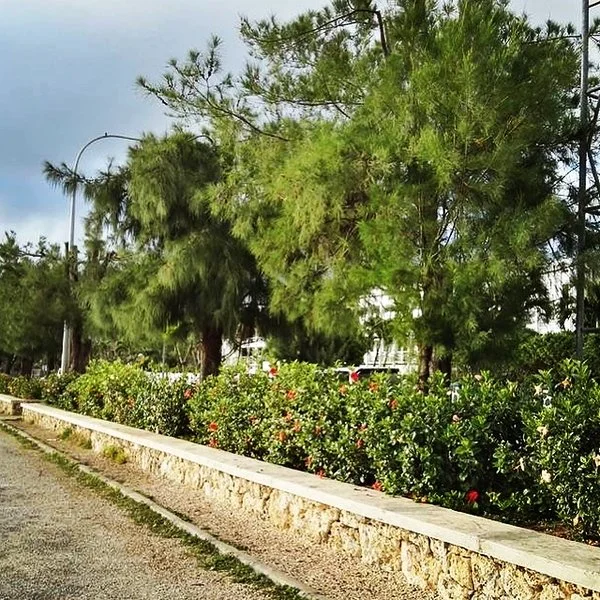
An Esi is a traditional raised platform. Here it became the building block of every site: a coral-stone retaining wall that is a planted bed and a bench at once, built to one standard so all three sites read as a set.
Built the same way everywhere
Natural coral block, sides shaved, stacked tight with no grout lines
Level top with a 5 cm concrete cap
¼″ crushed-coral surround, edged in concrete where it meets grass
Conduit run wherever lighting is needed
Bench-height Esi: 40 cm tall × 35 cm wide, 45 cm cap, 10 cm concrete footing with rebar every 60 cm, 75 cm crushed-coral surround. 2.5 m wide at Pangailahi Park and the wharf; curved and unbacked, about 3 m wide, at Faʻonelua.
Tall Esi: 1 m tall, 8″ cap from Nishi Quarry, 1 m crushed-coral surround. 3 m deep at Pangailahi Park; curved and unbacked, about 4 m deep, at Faʻonelua.
Outcome
From plans to gardens
March 2014: Concept plans delivered for all three sites.
October 2014: Cindy’s designs nearly complete.
July 2016: Waterfront complete; heilala line the palace entrance; tourist center grounds planted.
October 2017: The waterfront is lush and blooming: native hibiscus, ironwoods and traditional Esi coral walls.
Landscape design: Cindy McClimans, Petal Organic Landscape & Native Design, The Woodlands, Texas.
Plants: Tohomolo Nursery, Tongatapu.
Planning a native garden of your own? Get in touch or see more of our projects.